
Loading…
Design a school session around one object
Online or on campus

Learning teams write workshops, object handling, labels, and the evaluation that shows whether a visit worked. Galleries in Oxford are the reference. You are not placed in a national museum. The project is a learning programme for one small gallery. MA Museum Learning is taught as one award, not a list of unrelated modules. The published length is 18 months, and the credit total is 36. Students move from School workshops through School workshops; Object handling; Interpretation text; Access; Evaluation; Learning programme, and finish on Learning programme. Each course has a question, a method, and a submission. In this field, students apply the method of the subject to a defined problem and defend the result. Reading is a core text, a case or dataset, and a critique. The artefact a marker expects is a submission that shows the method, the evidence, and the limit of the claim. The award is built so that a graduate can do the following in practice: Write a 45-minute school session Handle an object with a risk note Draft a label at 80 words Teaching assumes the student can read a source, attempt a problem before the seminar, and revise after feedback. Attendance at live seminars is part of the design. The capstone or final course must use the methods of the earlier courses; a project that ignores them does not pass. The pages for each course name the topics that are examined. Those topics are the syllabus. A brochure line is not a substitute for them.
The credit total on this page is the sum of the courses in the curriculum. Assessment is the work named on each course.
Faculty spotlight
Oxfordium University supervises the courses and the final assessed file. Supervision is assigned from the school that owns the award.
Study online
Online tuition is free. Online examinations and certificates are 100% free and sponsored.
On-campus study
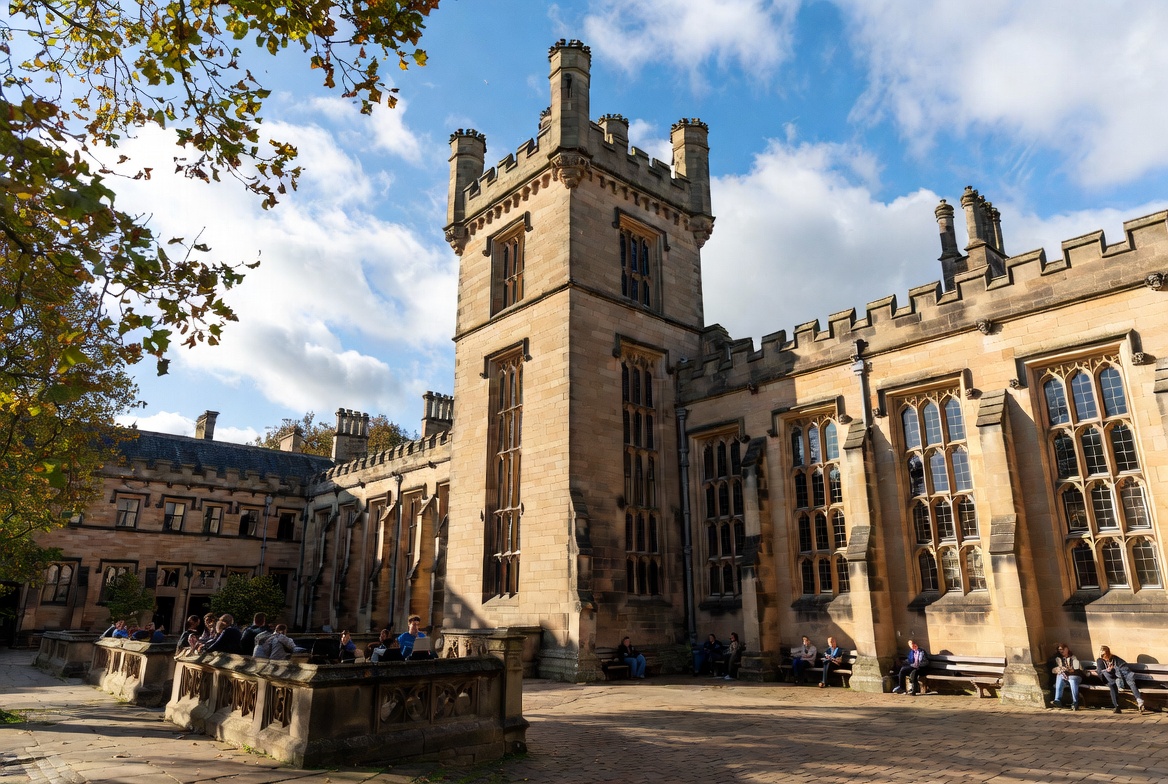
Prefer to learn at our Oxford campus? Campus tuition is published on each programme page. All examinations are 100% free of charge.
| Code | Course | Credits · hours |
|---|---|---|
| LRN501 | Analytical foundations of Museum Learning Analytical foundations of Museum Learning (LRN501) is a course on MA Museum Learning. It carries 20 credits and 200 notional learning hours, at 10 hours per credit. The course is taught at master's level. Students compare a weaker method, judge the evidence, and state what the result does not show. The chapters are the syllabus. Each chapter is a class of work this course assesses. Preparation is the reading, dataset, or case for that chapter. Seminar time is spent on the decision, the calculation, or the draft. The student revises after feedback. A pass requires the method named in the chapters, evidence a marker can check, and a stated limit on what the result does not show. The course is offered at the Oxford campus on Holywell Street and online.
| 20 · 200 h |
| LRN502 | Evidence and research methods for Museum Learning Evidence and research methods for Museum Learning (LRN502) is a course on MA Museum Learning. It carries 20 credits and 200 notional learning hours, at 10 hours per credit. The course is taught at master's level. Students compare a weaker method, judge the evidence, and state what the result does not show. The chapters are the syllabus. Each chapter is a class of work this course assesses. Preparation is the reading, dataset, or case for that chapter. Seminar time is spent on the decision, the calculation, or the draft. The student revises after feedback. A pass requires the method named in the chapters, evidence a marker can check, and a stated limit on what the result does not show. The course is offered at the Oxford campus on Holywell Street and online.
| 20 · 200 h |
| LRN503 | Professional context and institutions in Museum Learning Professional context and institutions in Museum Learning (LRN503) is a course on MA Museum Learning. It carries 20 credits and 200 notional learning hours, at 10 hours per credit. The course is taught at master's level. Students compare a weaker method, judge the evidence, and state what the result does not show. The chapters are the syllabus. Each chapter is a class of work this course assesses. Preparation is the reading, dataset, or case for that chapter. Seminar time is spent on the decision, the calculation, or the draft. The student revises after feedback. A pass requires the method named in the chapters, evidence a marker can check, and a stated limit on what the result does not show. The course is offered at the Oxford campus on Holywell Street and online.
| 20 · 200 h |
| Code | Course | Credits · hours |
|---|---|---|
| LRN504 | Measurement, data quality, and error in Museum Learning Measurement, data quality, and error in Museum Learning (LRN504) is a course on MA Museum Learning. It carries 20 credits and 200 notional learning hours, at 10 hours per credit. The course is taught at master's level. Students compare a weaker method, judge the evidence, and state what the result does not show. The chapters are the syllabus. Each chapter is a class of work this course assesses. Preparation is the reading, dataset, or case for that chapter. Seminar time is spent on the decision, the calculation, or the draft. The student revises after feedback. A pass requires the method named in the chapters, evidence a marker can check, and a stated limit on what the result does not show. The course is offered at the Oxford campus on Holywell Street and online.
| 20 · 200 h |
| LRN505 | Ethics, regulation, and the limit of the claim in Museum Learning Ethics, regulation, and the limit of the claim in Museum Learning (LRN505) is a course on MA Museum Learning. It carries 20 credits and 200 notional learning hours, at 10 hours per credit. The course is taught at master's level. Students compare a weaker method, judge the evidence, and state what the result does not show. The chapters are the syllabus. Each chapter is a class of work this course assesses. Preparation is the reading, dataset, or case for that chapter. Seminar time is spent on the decision, the calculation, or the draft. The student revises after feedback. A pass requires the method named in the chapters, evidence a marker can check, and a stated limit on what the result does not show. The course is offered at the Oxford campus on Holywell Street and online.
| 20 · 200 h |
| LRN506 | Design, implementation, and change in Museum Learning Design, implementation, and change in Museum Learning (LRN506) is a course on MA Museum Learning. It carries 20 credits and 200 notional learning hours, at 10 hours per credit. The course is taught at master's level. Students compare a weaker method, judge the evidence, and state what the result does not show. The chapters are the syllabus. Each chapter is a class of work this course assesses. Preparation is the reading, dataset, or case for that chapter. Seminar time is spent on the decision, the calculation, or the draft. The student revises after feedback. A pass requires the method named in the chapters, evidence a marker can check, and a stated limit on what the result does not show. The course is offered at the Oxford campus on Holywell Street and online.
| 20 · 200 h |
| Code | Course | Credits · hours |
|---|---|---|
| LRN507 | Evaluation, risk, and a competing explanation in Museum Learning Evaluation, risk, and a competing explanation in Museum Learning (LRN507) is a course on MA Museum Learning. It carries 20 credits and 200 notional learning hours, at 10 hours per credit. The course is taught at master's level. Students compare a weaker method, judge the evidence, and state what the result does not show. The chapters are the syllabus. Each chapter is a class of work this course assesses. Preparation is the reading, dataset, or case for that chapter. Seminar time is spent on the decision, the calculation, or the draft. The student revises after feedback. A pass requires the method named in the chapters, evidence a marker can check, and a stated limit on what the result does not show. The course is offered at the Oxford campus on Holywell Street and online.
| 20 · 200 h |
| LRN508 | Capstone: a defended decision in Museum Learning Capstone: a defended decision in Museum Learning (LRN508) is a course on MA Museum Learning. It carries 40 credits and 400 notional learning hours, at 10 hours per credit. The course is taught at master's level. Students compare a weaker method, judge the evidence, and state what the result does not show. The chapters are the syllabus. Each chapter is a class of work this course assesses. Preparation is the reading, dataset, or case for that chapter. Seminar time is spent on the decision, the calculation, or the draft. The student revises after feedback. A pass requires the method named in the chapters, evidence a marker can check, and a stated limit on what the result does not show. The course is offered at the Oxford campus on Holywell Street and online.
| 40 · 400 h |
Modules are assessed through a published mix of coursework, applied projects, and examinations. Exam windows are announced in advance so students in other time zones are not forced into overnight sittings. Alternative arrangements are available where documented.
The published duration is 18 months. Teaching language: English. Actual time-to-complete depends on mode and any recognised prior learning.
You may study this award fully online from your country, or — where published — on campus at Oxfordium. Online study does not require a student visa. Campus study may.
Degree tuition for this award is published as £0 / tuition-free on the online pathway. All online degree examinations and certificates are 100% free and sponsored — the only cost for online study is the application fee. Campus tuition and campus examinations are charged separately. Check the Fees page for details.
Requirements are grouped on this page (academic, English, documents). Equivalent qualifications are considered. The requirement is waived when English is your mother tongue.
Assessment is typically a mix of coursework, projects, and examinations. Doctoral awards include a thesis or dissertation and an oral examination. Details sit in the programme specification and module outlines.
Recognition of the award for local employment, professional licence, or ministry attestation is decided by your employer or regulator. Oxfordium University publishes verification pages for certificates. We do not claim automatic equivalence in every country.
Start an application on this website. Progress is saved from the first step. Admissions: [email protected].
Recognised & Accredited